
EDS and Dysautonomia
Ehlers-Danlos syndrome (EDS) is an umbrella term for 13 genetic disorders that reduce the strength of collagen, a connective tissue which provides strength & elasticity to connective tissues like skin, joints & blood vessels.
EDS can be associated with autonomic symptoms such as dizziness, rapid heart rate, fatigue and difficulty tolerating prolonged upright activity, or repetitive up and down movements.
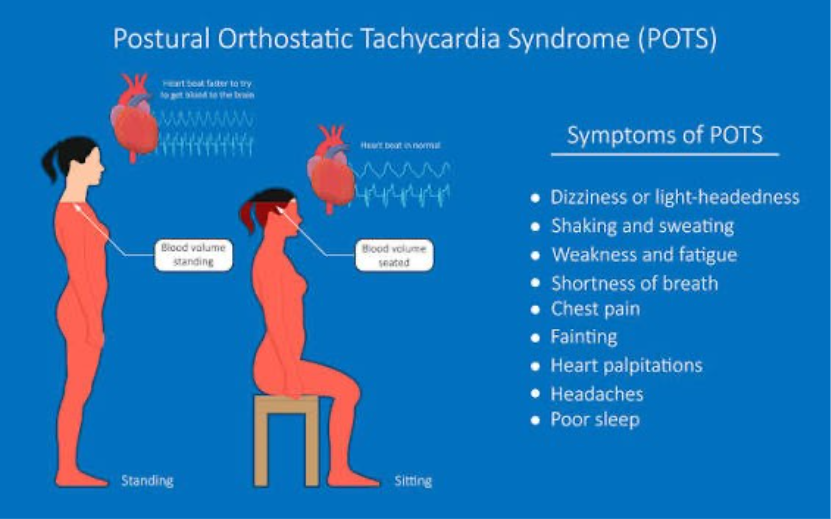
Ehlers-Danlos syndrome and dysautonomia can co-occur as the weak collagen can cause vein walls to be overly flexible. When you stand up, gravity pulls blood into the lower body & the veins in those with EDS cannot squeeze tightly enough to push blood back up to the heart and brain, causing blood pooling.
As blood pools in the legs, the heart must beat faster to maintain blood pressure and oxygen flow, often resulting in Postural Orthostatic Tachycardia Syndrome (POTS).
Symptoms and exercise tolerance can vary considerably from person to person, so an individualised plan is essential to support your needs. Exercise is a well document treatment for patients with dysautonomia and has well established benefits for quality of life.
Exercise in the context of EDS and dysautonomia would entail.
Start with identifying your baseline
Together, we will identify YOUR common triggers. Common examples include:
- Prolonged standing
- Heat
- Dehydration
- Prolonged exertion
- Lack of sleep
Once we know what your triggers are, we will track your symptoms before, during and after exercise.
A flare-up or significant change in symptoms may mean modifying or postponing a session, and we can make these decisions as they arise.

Choose supportive forms of exercise
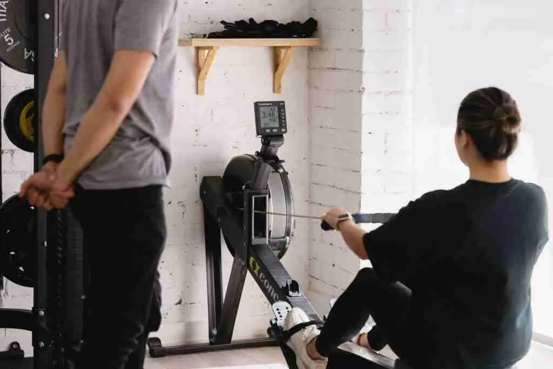
We will begin with positions that reduce the orthostatic load, such as lying, reclining or seated exercise.
Examples may include:
- Recumbent cycling
- Swimming
- Appropriately modified strength exercises.
The goal is to gradually introduce more upright activity as tolerated.
Manage the autonomic symptoms
There are strategies that can help manage symptoms day to day and around exercise. Hydration and where medically appropriate, electrolyte/salt strategies may help some people. These can be discussed with our dietician or your regular doctor.
We will avoid exercising in excessive heat, allow longer warm-ups, rest periods and include gradual cool-downs. Compression garments may help some people with orthostatic symptoms, but aren’t appropriate for everyone. Consider speaking with your practitioner first.
Learn your warning signs
If symptoms occur, it’s important to have a safety plan in place so you know how to manage and prevent injury or falls – especially if fainting is one of your symptoms. This might include reducing intensity, getting to a lying position or performing exercise in a seated position.
Final take away
EDS and dysautonomia don’t automatically mean you have to avoid exercise. In fact – exercise is an important part of maintaining and even improving your health. Research shows that orthostatic symptoms can improve with regular, appropriate exercise. The emphasis should be on finding movement that your body can tolerate safely and consistently.
Professional guidance is particularly valuable when symptoms are complex, severe or changing.
If you are struggling with exercising with EDS related dysautonomia, book in with me or one of our exercise physiologists at our Birkdale or Shailer Park clinics, to get back to moving safely.
References
Check our Previous Blogs
- Dizzy When Rolling in Bed? BPPV and Physiotherapy Treatment
- Plantar Fasciitis: The Real Reason That Heel Pain Keeps Coming Back
- 7 Essential Tips to Beat Frozen Shoulder and Get Your Movement Back
- Ehlers Danlos Syndrome (EDS): Exercising Safely With Dysautonomia
- Cervical Radiculopathy: Symptoms, Causes and Physiotherapy Treatment
