

You go up for the mark, land awkwardly on someone’s boot, and your ankle rolls sideways before you’ve even registered what happened. Or maybe it was a sharp change of direction on the netball court, or a tackle that caught your foot at the wrong angle mid-stride. However it happened, you’re now sitting on the sideline with a sprained ankle, wondering whether you should be worried or whether you’ll be back training by next week.
Ankle injuries spike hard through the back half of the AFL and winter sport season here in Logan and Bracken Ridge, and most people get some version of the same advice: rest it, ice it, wait and see. Part of that holds up. Part of it doesn’t. What you actually do in the first 72 hours shapes how quickly, and how completely, you get back on the field.
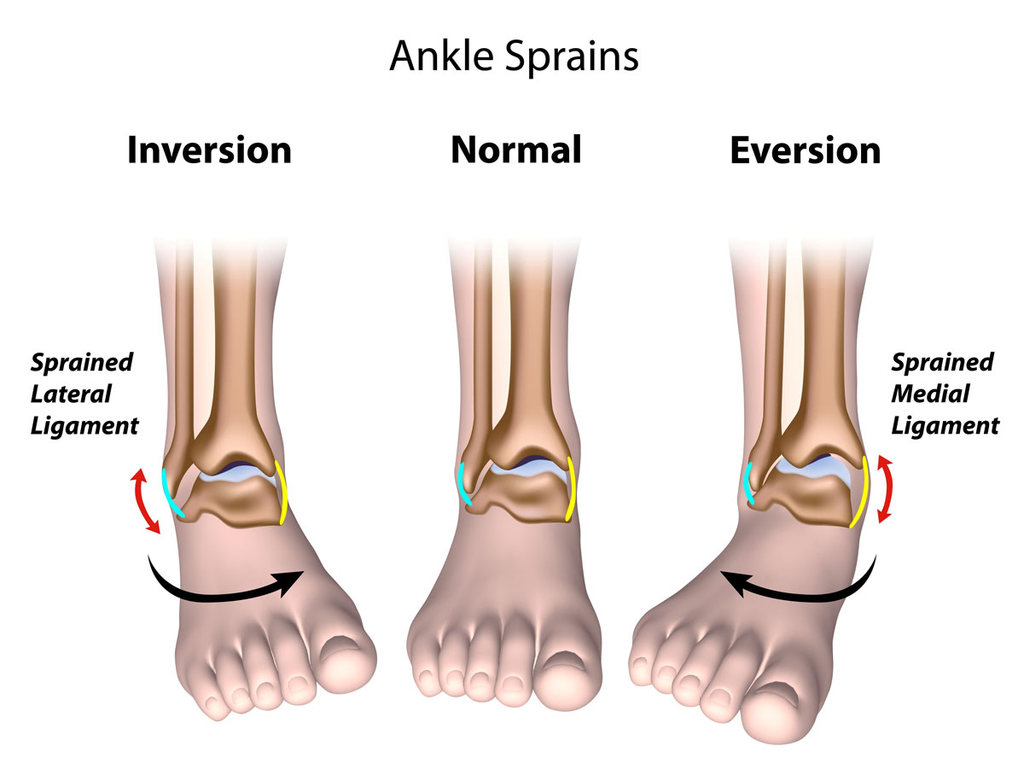
What’s Actually Torn or Stretched
A sprain happens when the ligaments holding your ankle joint together get stretched beyond their normal range, and in more significant cases, partially or fully tear. Most sporting ankle sprains are lateral sprains, meaning the foot rolls inward and the ligaments on the outside of the ankle take the load, most often the anterior talofibular ligament.
If you’re searching for how to treat a sprained ankle beyond the first few hours, it helps to know that physios grade these injuries from 1 to 3. A Grade 1 sprain involves mild stretching with minimal swelling, and you can typically still bear some weight. Grade 2 is a partial tear, with more swelling, visible bruising and a joint that feels noticeably less stable. Grade 3 is a complete rupture, and walking normally isn’t usually possible in the first day or two. You don’t need to work out your own grade before doing anything useful, but knowing there’s a spectrum explains why ankle sprain recovery time varies so much from one player to the next, and why the advice below matters more for some sprains than others.
The First 24 Hours
Get Off the Field and Protect It
Stop playing. Plenty of players try to run it off or finish the quarter, which tends to make the next two days worse rather than better. Get off the field, remove your boot before swelling sets in, and hold off putting full weight through the joint until you have a rough sense of how bad it is.
If walking is genuinely painful, use crutches or lean on a teammate to get to the sideline. A supportive brace or rigid taping can make that trip a lot more comfortable, though rigid taping is worth having applied properly rather than improvised with strapping tape wound too tight.
Ice, Elevation and the Swelling Question
Cold packs applied for short periods, around 15 to 20 minutes at a time, can take the edge off pain in the first day or so. Elevating the ankle above heart height while resting also helps manage sprained ankle swelling, particularly overnight when it tends to build up.
Where older advice falls short is the idea that the joint needs to stay completely still until swelling disappears. Gentle, pain-limited movement, small ankle circles or tracing the alphabet with your toes, supports circulation and tends to reduce stiffness without disturbing the healing ligament. The aim in the first day is protection, not total immobility.
When Not to Just Wait It Out
Most ankle sprains don’t need an emergency department visit. A few signs mean you shouldn’t sit on it and hope. Get checked urgently if there’s an obvious deformity, you can’t manage several steps without sharp pain, there’s marked tenderness directly over the ankle bones rather than the soft tissue around them, or you notice numbness or pins and needles in the foot. These point toward a possible fracture rather than a straightforward ligament sprain, and an X-ray settles the question fast.
Hours 24 to 72: Moving From Protection to Motion
Once the first day has passed, the job shifts from purely protecting the ankle to gently restoring movement. Recreational athletes tend to land on one of two extremes here: staying off it completely, which leaves the joint stiff and the surrounding muscles deconditioned, or testing it out on the training track well before it’s ready.
Weight-bear as pain allows, using a brace, rigid taping or crutches to make that comfortable instead of forcing your way through sharp pain. Gentle range-of-motion work and basic balance drills on a stable surface can generally begin in this window once swelling is settling and pain is manageable.
This is also where getting in front of a physio makes the biggest difference. Ankle sprain physiotherapy at this stage checks ligament stability, weight-bearing capacity and joint range of motion, rules out anything that needs imaging, and sets a plan built around your actual injury rather than a guess based on how sore it feels right now.
Why Ankle Sprain Treatment Looks Different for Active 18-45 Year Olds
Ankle sprain treatment for someone chasing a comfortable walk to the shops looks different to treatment for someone who wants to sprint, cut and land at full speed again within a few weeks. For active adults still playing AFL, soccer or netball, rehab needs to run well past “it doesn’t hurt anymore” and into rebuilding the strength, balance and confidence that sport-specific movement actually demands.
Proprioception training, essentially retraining the nerves around the joint to sense position and react to uneven ground, gets skipped more than any other phase of recovery. Once swelling settles and walking feels normal, it’s tempting to assume the ankle is ready. The ligament and the nerve feedback loop around it still need deliberate retraining, and skipping this step is one of the more common reasons the same ankle gets rolled again, sometimes more than once in a season.
We’ve covered this pattern in more depth, including realistic recovery timelines for ankle sprains and other common sports injuries, if a fuller picture of what a normal recovery curve looks like would help.
When Ankle Sprain Treatment Needs to Go Further Than Rest
Not every ankle sprain resolves with rest, taping and a graduated return to training. A physiotherapy assessment is worth booking, rather than more time off, if you’ve rolled the same ankle more than once, if it still feels unstable or gives way on uneven ground weeks later, or if pain sits around well beyond what seems reasonable for how the injury looked at the time. Chronic ankle instability is a real and fairly common outcome of an under-rehabilitated sprain, and it tends to get harder to resolve the longer it’s left unaddressed.
Ice and rest on their own also aren’t always enough for higher-grade sprains, where a complete ligament tear can need a longer stretch of protected weight-bearing and, in some cases, an orthopaedic opinion. None of this is meant to cause alarm. Most sprains recover well with sensible early management and a structured return to sport. It’s simply worth knowing when “give it more time” stops being useful advice.
Reducing the Chance of Rolling It Again
A handful of habits meaningfully lower the odds of a repeat sprain once training resumes. Calf and ankle strengthening work, balance drills on an unstable surface, a proper warm-up before games, footwear matched to your sport and the surface you play on, and taping or bracing for a season or two after a significant sprain: none of these are complicated, and together they build the kind of joint resilience a rushed return skips straight past.
The players who avoid a second or third sprain are usually the ones who treated the first one as worth finishing properly rather than something to wait out.
Final Thoughts
An ankle sprain rarely announces how serious it is in the first hour. Two players can roll an ankle the same way on a Saturday morning and end up on completely different recovery paths depending on what happens in the days that follow. Protecting the joint early, moving it within safe limits instead of avoiding it altogether, and getting an assessment when something feels off gives you the best shot at a clean recovery rather than a niggle that resurfaces every few months. Feeling ready and being ready aren’t always the same thing, and that gap is where most repeat injuries start.
If you’ve sprained your ankle playing sport in Bracken Ridge or anywhere across northern Brisbane, our sports injury physiotherapy team can take it from here. Book a sports injury assessment at Essential Health Physio and get a plan for the weeks ahead instead of a guess.
References
Check our Previous Blogs
- Frozen Shoulder: Why It Takes Months to Heal and What Actually Speeds Recovery
- Neck Pain and Headaches: Why the Problem Is Often Higher Up Than You Think
- Bone on Bone? What Your Knee X-ray Isn’t Telling You
- IT Band Syndrome: Why Your Outer Knee Hurts When Spring Running Ramps Up
- Sprained Ankle Playing Sport? Here’s What to Actually Do
