
Headaches are one of the most common yet misunderstood health complaints — and they’re not always just “in your head.” At Essential Health Physiotherapy, we know that the source of your headache can often be traced back to the neck, your posture, or tension patterns that build up quietly over time.
Whether you’re dealing with a dull tension headache at the end of a long workday, a debilitating migraine, or a cervicogenic headache radiating up from the base of your skull, understanding what’s driving your pain is the first step toward lasting relief. In this guide, we break down the most common types of headaches, how neck pain plays a bigger role than most people realise, and how our team at Essential Health Physiotherapy can help you get back to feeling like yourself.
What is a Headache?
A headache is when pain or discomfort is experienced in the head, scalp or upper neck. When pain-sensitive structures around the head are irritated, symptoms can arise. Understanding the type of headache you’re experiencing is essential for effective treatments. There are several headache types, each with different causes and triggers.
- Tension headaches – muscle tension and stress
- Migraines – nerve and chemical changes, often with nausea or light sensitivity
- Cervicogenic headaches – headaches coming from the neck
- Sinus headaches – sinus inflammation
At Essential Health Physiotherapy, our physiotherapists are trained to identify which type of headache you’re experiencing and develop a targeted treatment plan accordingly.
What is a migraine?
A migraine occurs when abnormal brain activity overstimulates the brain’s pain system. Understanding your personal triggers is a key part of managing and reducing the frequency of “Migraine attacks”. Common triggers include hormonal & weather changes, certain foods/drinks, sleep & stress. These triggers can cause a chain reaction involving nerves, brain chemicals, and blood vessels. Symptoms can vary from person to person and last between 4 and 72 hours.
Recognising Migraine Symptoms
Migraines present with some distinctive symptoms that set them apart from other headache types:
- Throbbing or pulsating pain
- Moderate – severe intensity
- Often one-sided
- Aggravated with physical activity
- Nausea or vomiting
- Sensitivity to light, sound, or smell
- Visual disturbances
How can neck pain lead to headaches?
The muscles, joints & nerves in the neck connect directly to the head’s pain pathways. When there is pain in the neck, the brain can misinterpret this as pain coming from the head. These are the common ways neck pain can contribute to having a headache.
1. Referred pain for the Upper Neck
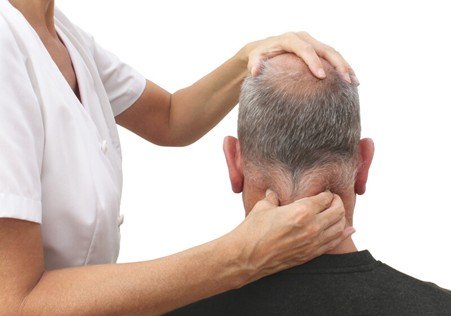
Nerves from the upper neck use the same pain-processing centre as the nerves in the head. Due to this overlap, pain in the neck can be felt as a headache, often in the back of the head, temples, or behind the eyes.
2. Muscle tension and trigger points
Tight or strained neck and shoulder muscles often cause tension-type headaches, as they can:
- Restrict blood flow
- Irritate nearby nerves
- Create trigger points that refer pain to the head
3. Joint dysfunction in the neck
Stiff or painful joints in the upper cervical spine can trigger cervicogenic headaches, which:
- Worsens with neck movement or posture
- Are usually one-sided
4. Poor posture and sustained positions
Forward head posture (looking down at phones, laptops, or desks) increases strain on neck muscles and joints, leading to both neck pain and headaches over time.
Signs of neck-related headaches:
- Headache begins at the base of the skull and moves upward
- Neck stiffness or pain began before the headache
- Headache is aggravated with neck movement or poor posture
🙋What can I do to improve my headache?
- Changing posture regularly, ideally every 20 minutes!
- Neck stretching
- Reducing screen time
- Stress management
- Heat therapy or massage
How can Essential Health Physiotherapy Help?🌟
- Thorough history & physical examination to assess the root cause(s) of your headache
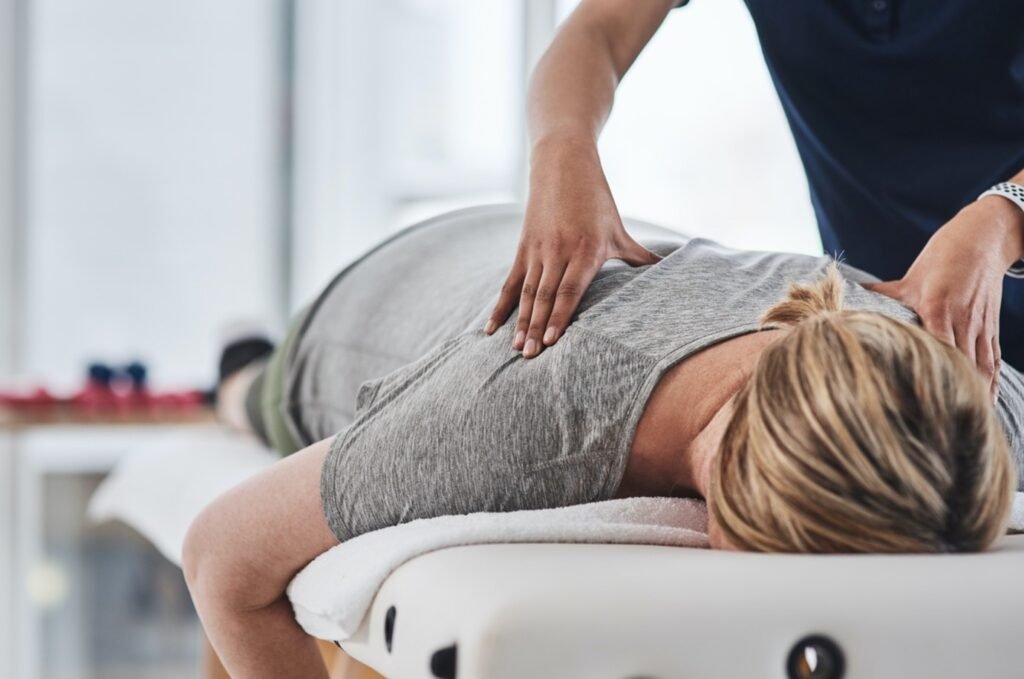
- Variety of manual therapy techniques
- Massage to relieve muscle tension & joint stiffness
- Joint mobilisations to improve function
- LASER therapy
- Essential Health Physiotherapy offers LASER therapy as part of headache treatment. LASER therapy is a non-invasive modality that can help reduce inflammation, promote tissue healing, and alleviate pain — particularly useful for persistent or chronic headache presentations.
- Exercise to improve muscle tightness & strength
Seek medical advice if neck pain and headaches:
- Follow trauma (like a car accident)
- Are worsening or persistent
- Come with arm weakness, numbness, or coordination problems
If in doubt, always err on the side of caution and seek medical advice. Our physiotherapists will also flag any clinical concerns identified during your assessment and refer you appropriately.
Ready to Address Your Headaches at Essential Health Physiotherapy?
You don’t have to keep pushing through the pain. Whether you’ve been dealing with headaches for weeks, months, or years, our experienced team at Essential Health Physiotherapy is here to help you find answers and lasting relief.
Book your assessment today and take the first step toward a life with fewer headaches, call us on 07 3132 0898.
References
https://www.ninds.nih.gov/health-information/disorders/headache
https://www.ninds.nih.gov/health-information/disorders/migraine
Check our Previous Blogs