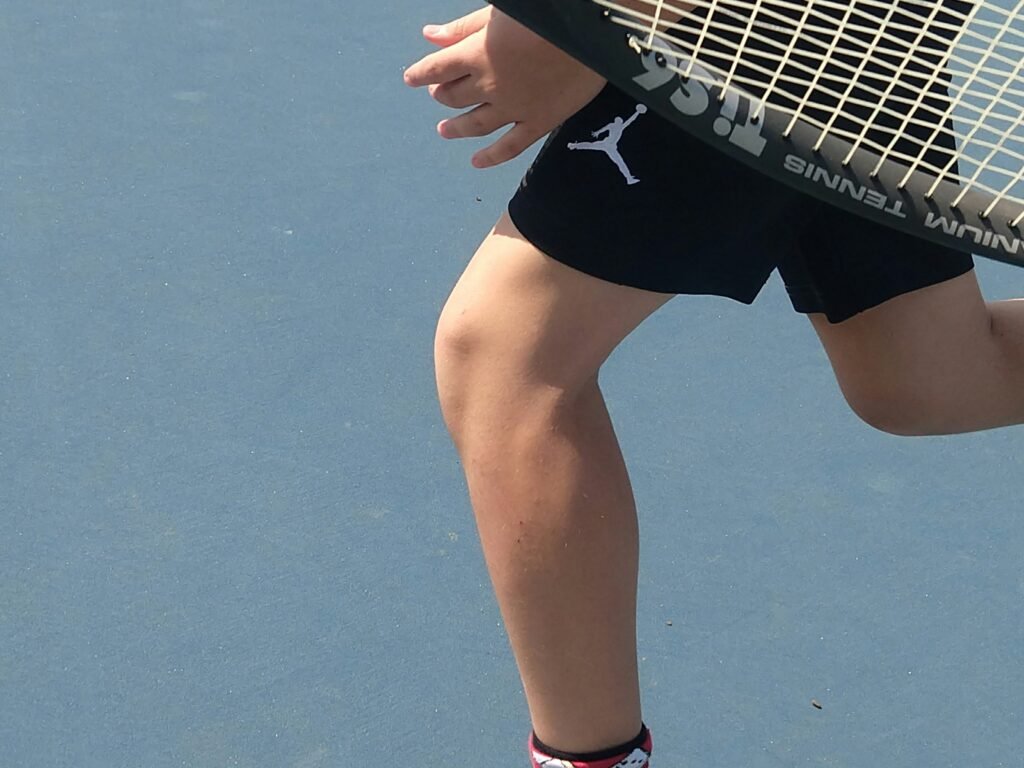
Photo by Ana Garnica on Unsplash .
Shin splints are one of the most common and frustrating injuries affecting runners, field sport athletes, and active individuals. The medical term is medial tibial stress syndrome (MTSS), but most people simply know it as shin splints.
The good news? Shin splints are highly manageable with the right approach. Below is a clear, practical guide from our Logan Physios to understanding shin splints and how to recover properly.
What Are Shin Splints?
Shin splints refer to pain along the inner border of the shin bone (tibia). This pain usually develops gradually and worsens with activity.
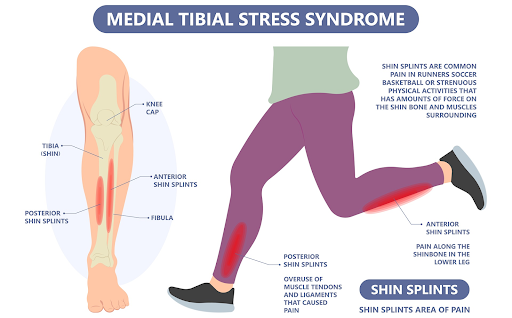
Common features of shin splints include:
- Aching pain along the inside of the shin
- Pain at the start of exercise that may ease as you warm up
- Tenderness along the tibia
- Mild swelling in some cases
- Pain that worsens with running or jumping
If left untreated, shin splints can progress to a stress reaction or stress fracture.
What Causes Shin Splints?
Shin splints are typically caused by repetitive loading of the tibia combined with inadequate recovery.
Common contributing factors include:
- Sudden increase in running volume or intensity
- Poor load management
- Running on hard surfaces
- Inadequate footwear
- Calf weakness or tightness
- Reduced ankle mobility
- Poor lower limb strength (hips and glutes)
Shin splints are often a training error rather than a structural problem.
How Long Do Shin Splints Take to Heal?
Recovery time varies depending on severity and load management:
- Mild cases: 2–4 weeks
- Moderate cases: 4–8 weeks
- Severe cases or stress reactions: several months
Consistent rehabilitation and progressive loading are key to long-term success.
When to Get Further Assessment
You should seek professional assessment if:
- Pain becomes sharp and localised
- Pain persists at rest
- There is night pain
- Symptoms do not improve with load modification
These signs may indicate a stress fracture and require medical imaging.
Take the Next Step Toward Pain-Free Running
If shin splints are limiting your training or sport, don’t ignore the early signs. Our passionate Physiotherapists in Logan can provide detailed running assessments and personalised rehabilitation plans to help you return to activity safely and confidently.
Thank you for reading till here. If you are not struggling with Shin Splints, perhaps you will be interested in how to continue preventing this common injury. Consider reading my other blog:
https://essentialhealthphysio.com.au/shin-splints-prevent-pain-and-treat/: Top 7 Factors for why athletes always get Shin SplintsAcademic References
Newman, P., Witchalls, J., Waddington, G., & Adams, R. (2013). Risk factors associated with medial tibial stress syndrome in runners: A systematic review and meta-analysis. Open Access Journal of Sports Medicine, 4, 229–241. https://doi.org/10.2147/OAJSM.S39331
Winters, M., Moen, M. H., Zimmermann, W. O., Bakker, E. W., & Weir, A. (2013). The treatment of medial tibial stress syndrome in athletes: A randomised clinical trial. Sports Medicine, 43(12), 1315–1333. https://doi.org/10.1007/s40279-013-0086-0
Yates, B., & White, S. (2004). The incidence and risk factors in the development of medial tibial stress syndrome among naval recruits. American Journal of Sports Medicine, 32(3), 772–780. https://doi.org/10.1177/0363546503261724
Check our Previous Blogs
- Pelvic Floor Physiotherapy: What to Expect and Why It Matters Beyond Pregnancy
- How to Bench Press
- Total Knee & Hip Replacement: When Do You Need Surgery & How Physiotherapy Helps You Recover
- The 2 Biggest Recovery Myths – DEBUNKED
- Lower Back Pain That Won’t Go Away? What’s Actually Happening and How Physio Helps